
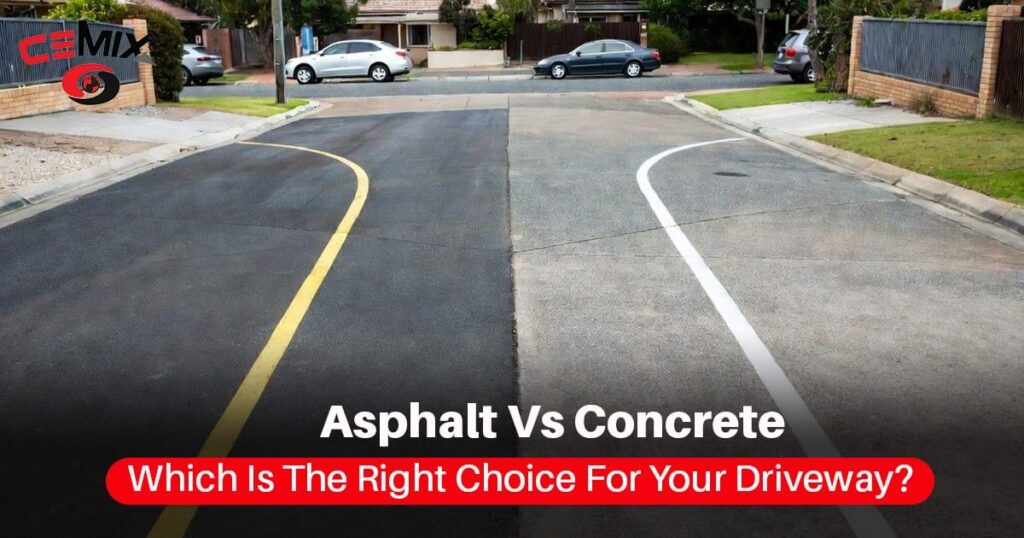
Whether you’re building your dream home or renovating your current one, using the right driveway material can make all the difference. Most people often confuse the two most popular materials: Concrete and Asphalt.
Both materials have their unique benefits and downsides, and learning about them is the wisest thing you can do before building your dream project.
In this blog, we’ll share all the crucial information you need to know and make an informed decision.
Additionally, we’ll also give information about a reliable and trusted source of Concrete in Craigieburn, so you don’t have to compromise on quality.
So, let’s dive deep in!
Cost And Installation
Asphalt driveways usually cost less to install and are priced around $2 to $6 per square foot. They are quicker to install and can be ready in just a day or two. Concrete driveways usually cost more, around $5 to $10 per square foot, but they last longer. Concrete installation takes more time and needs a strong base before pouring.
Durability And Lifespan
Concrete is highly durable and lasts for at least 30 to 50 years if kept in good condition. Asphalt lasts 15 to 30 years, but it is softer and can wear out faster. Asphalt is flexible, so it handles freeze-thaw cycles better in cold climates. Concrete does better in hot weather but can crack in freezing temperatures.
Maintenance Needs
Asphalt requires regular sealing every 3 to 5 years to stay strong. It can also have small cracks that need fixing, but repairs are usually easy and affordable. Concrete needs less frequent maintenance, such as sealing every 5 to 10 years. Repairs can be difficult and costly if the concrete cracks.
Appearance And Design
Concrete offers more design options than asphalt. You can choose different colours, textures, and patterns for a custom look. Asphalt is mostly black but can be tinted slightly. If you want a stylish and unique driveway, concrete might be better for you.
Environmental Impact
Concrete lasts longer and reflects heat, which can help reduce urban heat. However, making concrete produces more carbon dioxide. Asphalt is made from petroleum, so it has a larger carbon footprint, but it can be easily recycled.
Which Is Better For A Driveway: Asphalt Or Concrete?
The right material depends on your needs and goals. If you want a low upfront cost, then asphalt can be a good option for you.
But if looking for long-term value and other features like unique patterns, textures and finishes, then concrete is the best option.
Plus, concrete is more durable and lasts longer than asphalt, making it worth the investment down the line.
Get World-Class Concrete Service With Cemix
Concrete is one of the best materials for your construction needs. But getting high-quality concrete from the right source is equally important for maximum benefits.
At Cemix Vic, we are your most trusted and reliable partner for top-notch concrete services and quality materials like Whittlesea mini mix concrete.
We’re a team of highly skilled and experienced professionals committed to building world-class infrastructure through precision, innovation and dedication to quality.
Whether you are building your dream home or need concrete for other purposes, we’re your go-to partner in the industry.
Contact us today and build your dream project successfully with our top-notch concrete services!
Frequently Asked Questions
Which driveway is easier to maintain? Concrete or Asphalt
A concrete driveway is easier to maintain compared to asphalt. Concrete only needs maintenance like sealing in 8-10 years, while asphalt needs sealing every 2-5 years.
How much does a concrete driveway cost compared to asphalt?
A concrete driveway generally costs more than asphalt. Concrete costs approximately $60-$90 per square metre, while asphalt costs around $30-$50. However, in the long term, concrete is cost-effective as it needs less maintenance and lasts longer.
Which driveway material lasts longer: asphalt or concrete?
Concrete usually lasts longer than asphalt. Concrete can be kept in good condition for around 30-50 years; on the other hand, asphalt lasts around 15-30 years.