
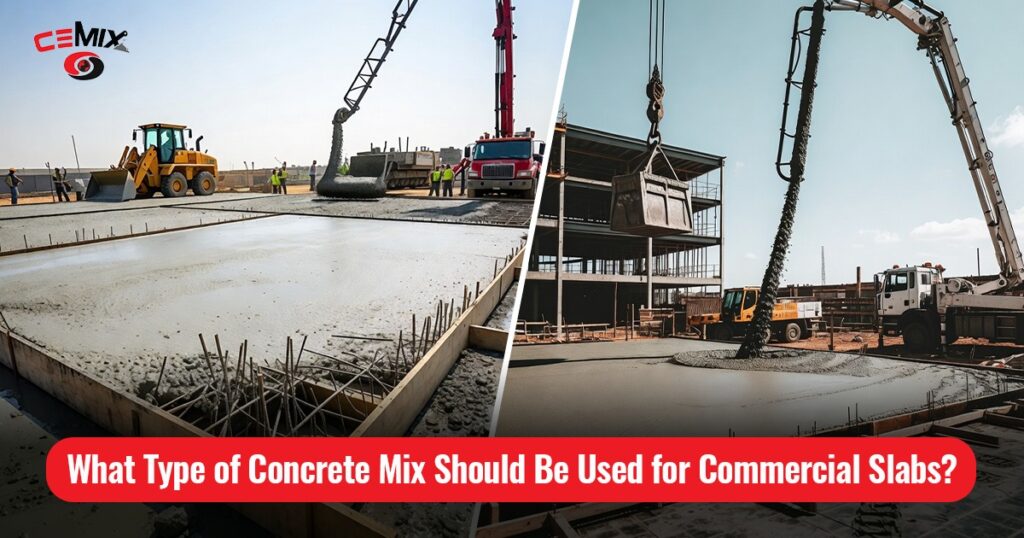
If you want top-notch residential slabs, then getting the right concrete mix is non-negotiable. Concrete slabs are a crucial component in residential construction. It acts as a horizontal, flat surface for foundations, floors and ceilings. The correct ratio of ingredients makes it stronger and gives a strong foundation to your resident.
In this guide, we’ll share the best types of concrete mixes for residential slabs, how they affect the structures, and expert tips to get the best concrete mix for your project.
Lastly, you’ll also get to know about Cemix Vic, a reliable and trusted Concrete supplier in Mernda to help you get the best concrete mix at an affordable cost in no time. So, stay with us till the end!
Why Does Mix Choice Matter?
Strength: Measured in megapascals (MPa) in Australia. Higher strength helps support heavier loads.
Durability: The right mix is more resistant to weathering, moisture, and chemical attack.
Shrinkage and cracking: Mix design and additives influence how much the slab cracks as it cures.
Cost: Higher-spec mixes or admixtures cost more up front but can lower long‑term repair costs.
Best Concrete Mix Types For Residential Slabs
1. Standard Residential Mix (20–25 MPa)
- Use: It is mainly used in interior floors, small patios, and light sidewalks.
- Pros: Highly cost-effective and adequate for light loads.
- Cons: Lower tensile strength and needs reinforcement for larger slabs.
2. Medium-Strength Mix (25–32 MPa)
- Use: Best for typical driveways, garage slabs, and most floor slabs.
- Pros: Balanced strength, durability, and cost. Reduces cracking when placed correctly.
- Cons: Costs a bit more than the standard mix.
3. High-Strength Mix (35–50 MPa)
- Use: Used for heavy-load driveways and areas with heavy vehicles.
- Pros: Higher load capacity and longer life.
- Cons: More expensive and may need admixtures for workability.
How Do Mixed Proportions Affect Performance?
Cement content: More cement raises strength and lowers permeability. However, it increases heat during curing and can make cracking worse in large pours.
Water-cement ratio: This is the most important factor. A lower w/c (about 0.40–0.50) gives higher strength and better durability. Never add water on site to improve flow; instead, use admixtures.
Aggregates: Well-graded aggregates reduce voids and improve strength. We suggest using quality local aggregates only for the best results.
Reinforcement: Steel mesh or rebar controls crack width and spreads loads. Match reinforcement to slab thickness and load.
Mistakes To Avoid When Mixing Concrete For A Slab
- Using an incorrect mix ratio of cement, sand, and aggregates
- Adding too little or too much water to the mixture weakens the mixture.
- Not mixing consistently leads to uneven strength and compromised durability
- Not curing properly weakens the concrete strength and leads to cracks.
Get Top-Notch Concrete Mix For Residential Slabs With Cemix Vic
Cemix Vic, one of the most reliable and trusted concrete suppliers in Craigieburn, offers world-class concrete services to meet all your construction needs.
We are a team of highly skilled and experienced professionals with a passion for concrete craftsmanship.
Our team of experts understand the needs of construction projects and ensures strength, durability, and aesthetic appeal with competitive pricing and a focus on quality.
Whether you want high-quality building or garden supplies, we’re your one-stop solution.
Contact Cemix Vic to build the project of your dreams with quality concrete supplies!
Frequently Asked Questions
1. How thick should a concrete slab be for a house, garage and driveway?
The thickness of the concrete slab for standard residential applications is somewhere between 4 and 6 inches, depending on the stress the slab can endure and the weight of the slab.
2. What causes concrete slabs to crack, and how do I fix them?
Concrete slabs crack mainly because of shrinkage while curing, thermal expansion, reactive clay soil movement, heavy load and poor drainage. You can fix these by repairing or replacing the slab.
3. How much does a concrete slab cost per m² in Australia?
A concrete slab in Australia costs somewhere between $100 and $150 per m², depending on factors like slab size, type and your specific location.